
London countryside charity CPRE are increasingly concerned about the impact of both climate change and increasing summer festival activity on London’s Parks.
Headlines :
- Urban festivals are growing – running for 140 days in 2025, up 60% from 2022
- Local authorities are increasingly viewing parks and green spaces as a source of income to ease financial pressures
- 2026 will be London’s hottest year on record. Urban green spaces have a role in reducing the urban heat island effect by cooling their space and surroundings by up to 7°C
- 1-in-5 households in London have no private garden access, and there is overlap with those who have the least access to mechanical cooling
- Installation of large fences for long periods reduces the use of the park, disrupts routes for active travel and access to benches and play equipment
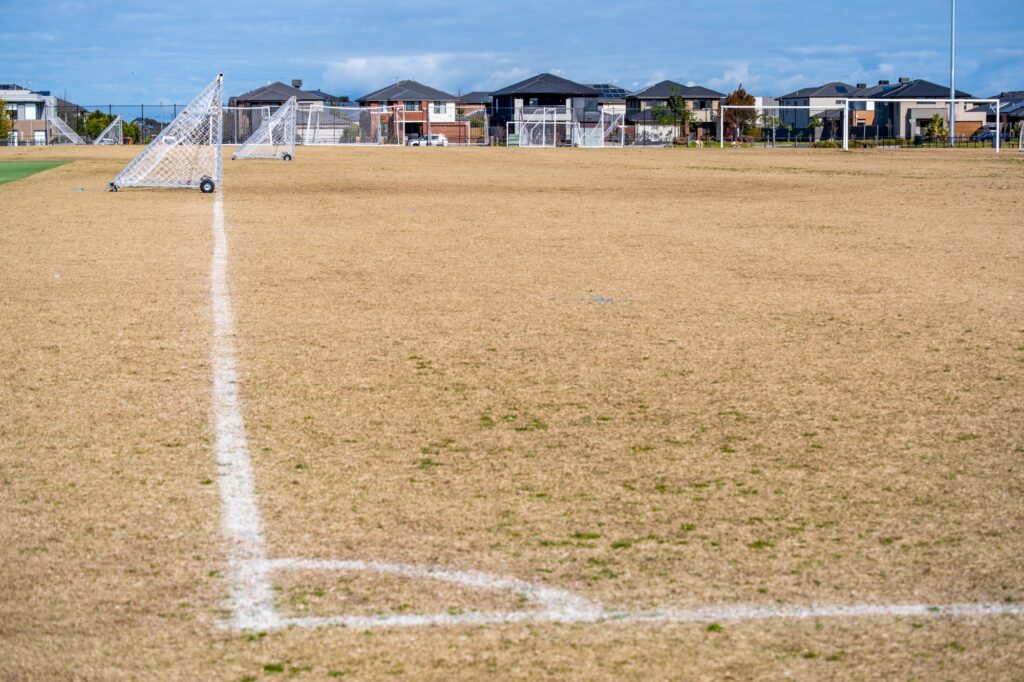
- High footfall and large vehicles can damage green space. Recovery in autumn and winter can see monodominant weeds replace grassland
- Trees are being removed to create access routes, or following damage to roots caused by HGV activity and the suffocating effects of compacted ground.
CPRE London is calling for a change to the law to place spatial and temporal limits on the commercial use of public parks to ensure that public access is protected, along with the physical fabric of the park and the biodiversity it supports.