
New research from Activity Alliance calls for a more joined-up approach to inclusive sport.
A study by Leeds Beckett University looks at how local sport organisations take account of the way disability overlaps with age, ethnicity, money and transport. Alongside it, Activity Alliance’s latest survey of 1,007 disabled people shows that barriers to being active rarely come down to one thing.
- Two thirds (67%) of disabled people want to be more active, but only half (52%) feel they have the opportunity. The gap is widest for people with a mobility impairment, where 76% want to do more but only 41% have the chance.
- Cost is a major barrier, almost half (46%) say the rising cost of living has reduced how active they are, rising to 66% of people with a visual impairment and 58% of people with a learning impairment. Two in five (43%) fear losing their benefits if they are seen being active.
- Travel and timing shape who can take part. People with a learning impairment (50%), a social or behavioural impairment (47%) or a visual impairment (46%) are far more likely than average (33%) to travel by public transport. The research shows how small changes help, such as starting sessions after bus passes become valid and using familiar venues like community centres.
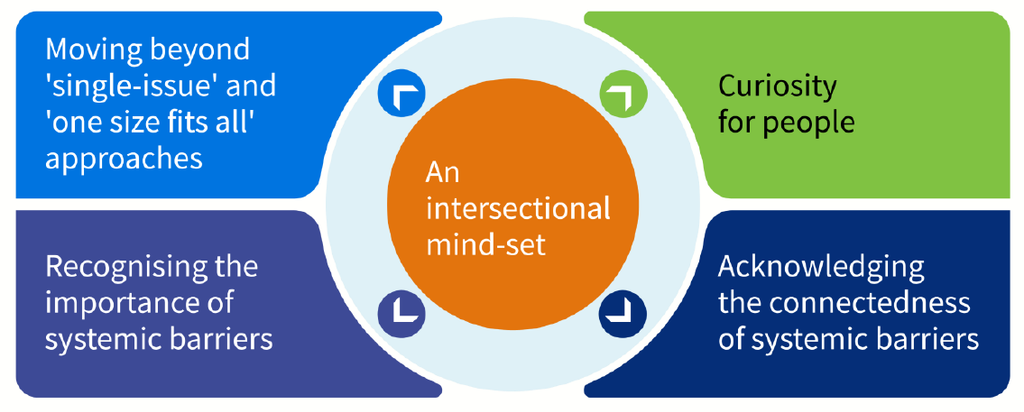
- The workforce is keen but needs more support. Two thirds (66%) of the people surveyed who work in local sport feel they understand intersectionality, but only 48% feel confident explaining it, and only 36% say their organisation offers training on it. Many find the term too academic, so they use words like inclusion or person-centred instead. Frontline staff are often best at putting it into practice because they know their communities well, and 71% say they would benefit from more support.
Links: New report calls for a more joined-up approach to inclusive sport.,
Activity Alliance | Research | ADAS Impairment Report 2025-2026 and
Activity Alliance | Research | Intersectionality in place-based sports and physical activity systems