
The CMO, Professor Sir Chris Whitty, gave evidence to the Health & Social Care Committee recently. As reported by CIMSPA, here is a condensed version of the headlines:
Physical activity is one of the most powerful controls for extending healthy life expectancy.
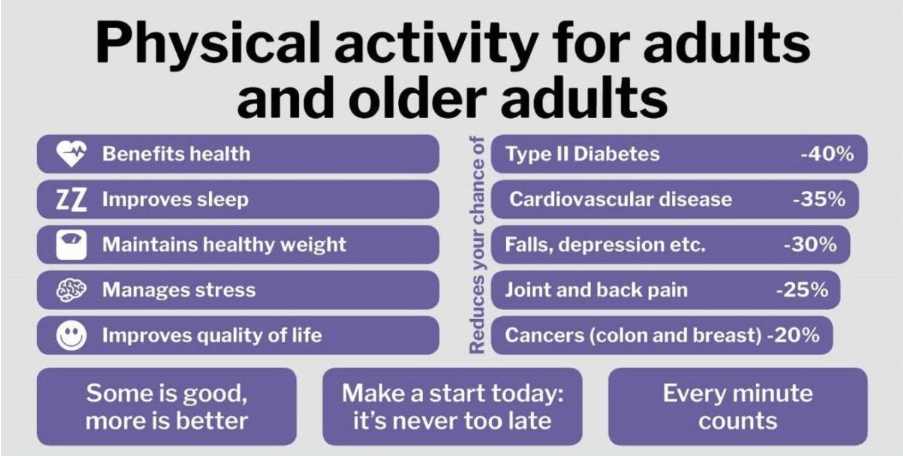
The biggest gains come from people doing the least: Small increases in light intensity movement (walking, short bouts of activity, functional strength) deliver high health returns for older adults.
Inequalities strongly shape activity levels in later life: Older adults in deprived communities or with long-term conditions are much less active and suffer greater health decline.
Barriers are environmental and systemic, not individual: Inaccessible neighbourhoods, poor transport, unsafe streets and intimidating facilities prevent older people from moving.
A trained, recognised and diverse workforce is essential: The article calls for professional standards across the physical activity workforce, particularly for those working with older adults and underserved groups.
Local partnerships are key to impact: Cross-system collaboration between health, local government, community organisations and physical activity providers is important.
The CMO’s evidence provides a strong scientific and policy case for London Sport’s strategic priorities:
- Tackle inequalities for inactive and disadvantaged communities
- Empower the workforce
- Influence local environments and systems
- Support everyday movement and activity
- Galvanise partnerships that reduce inequalities and enable healthier, more active lives